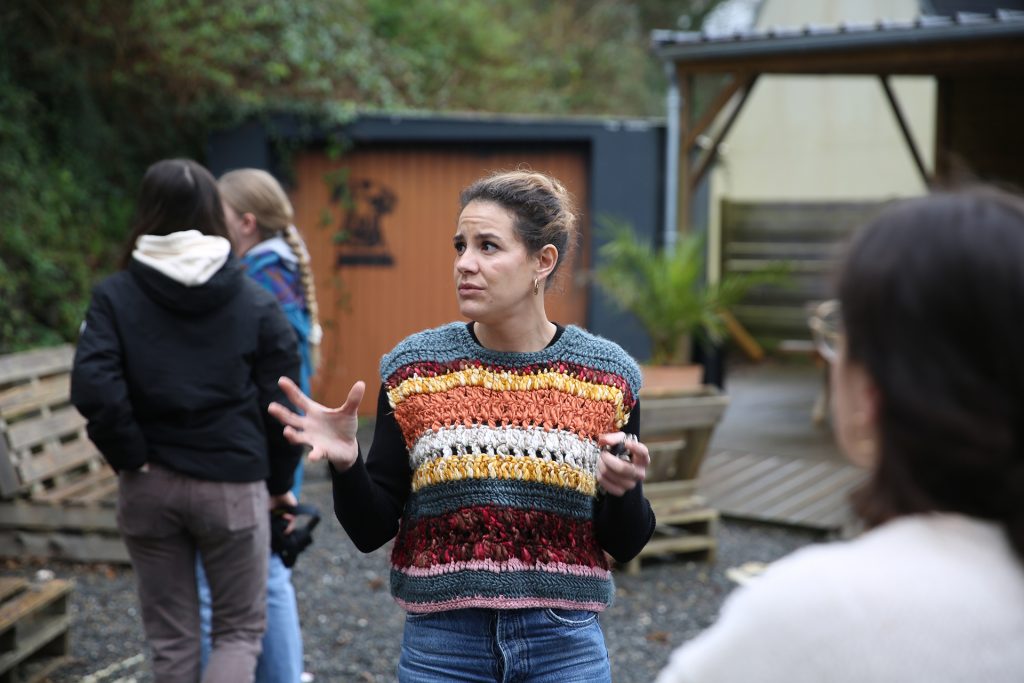
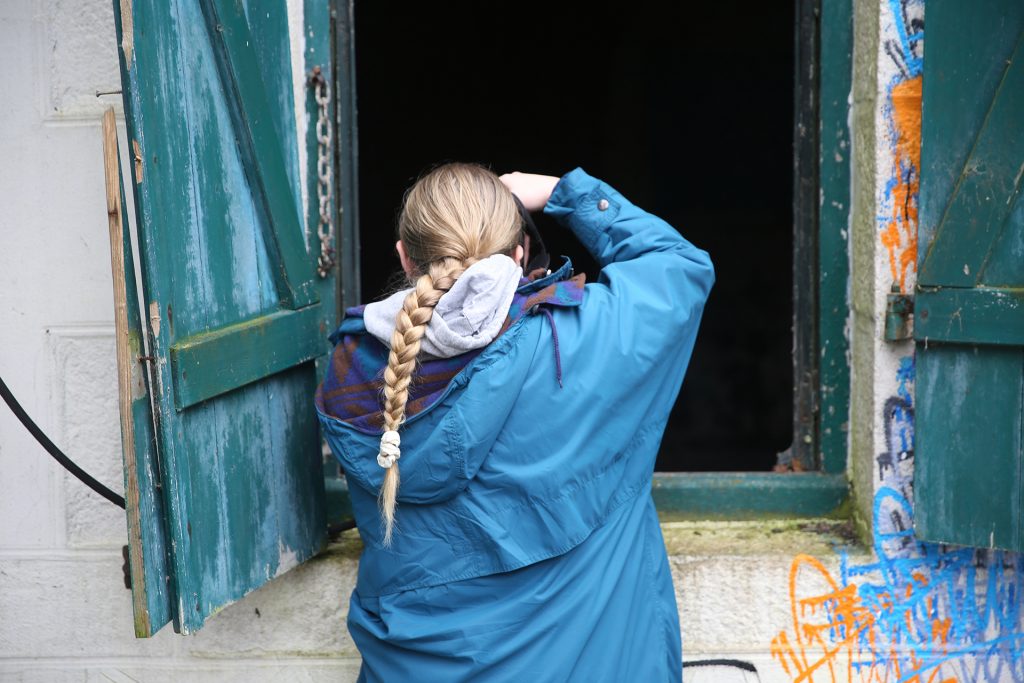
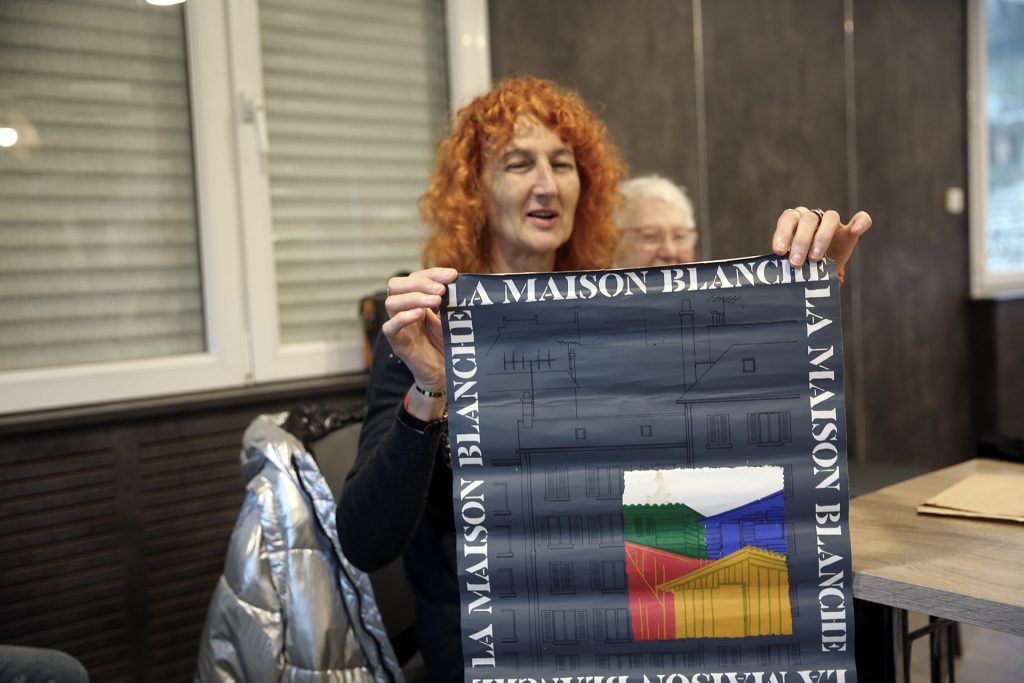
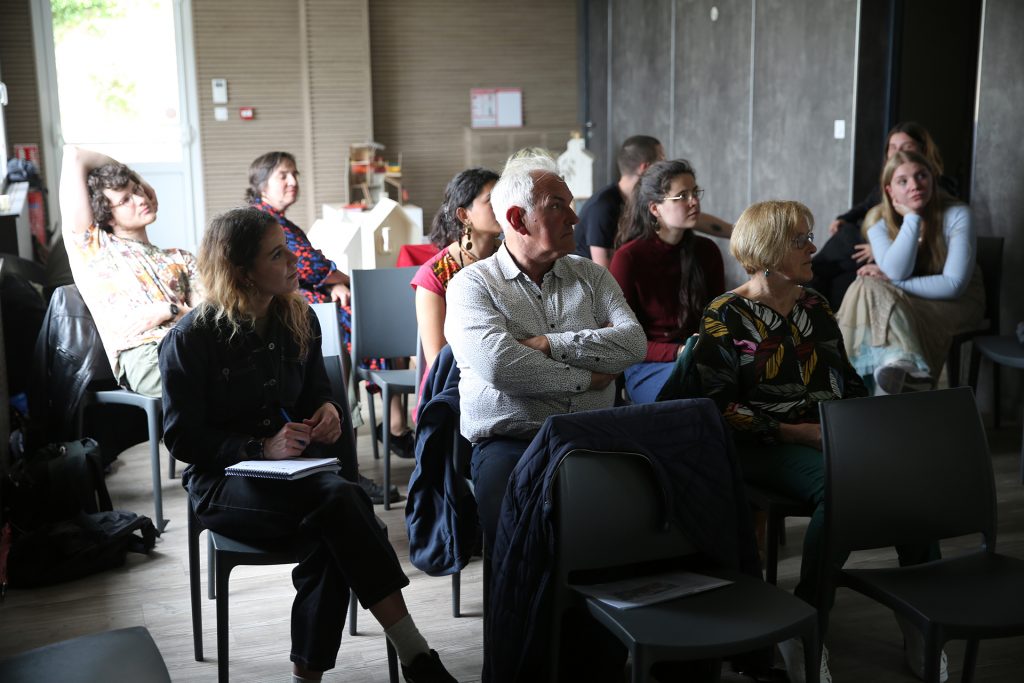
Shopkeepers and residents of Maison Blanche, port users, students and a teacher from the European School of Art in Brest wish to promote the neighbourhood’s history and support its development.
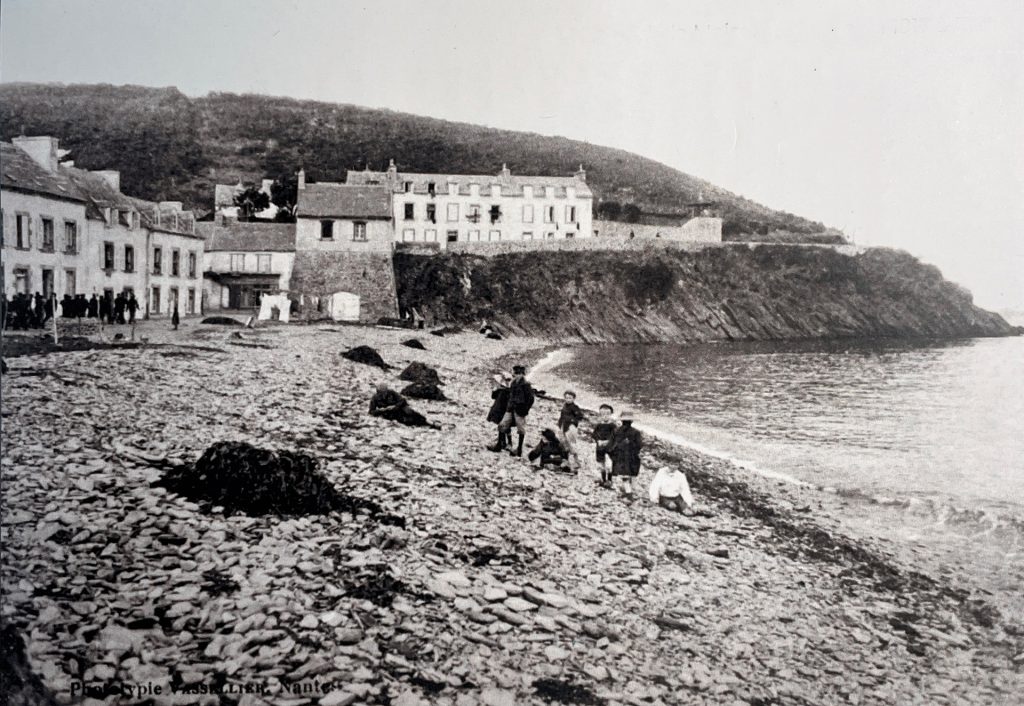
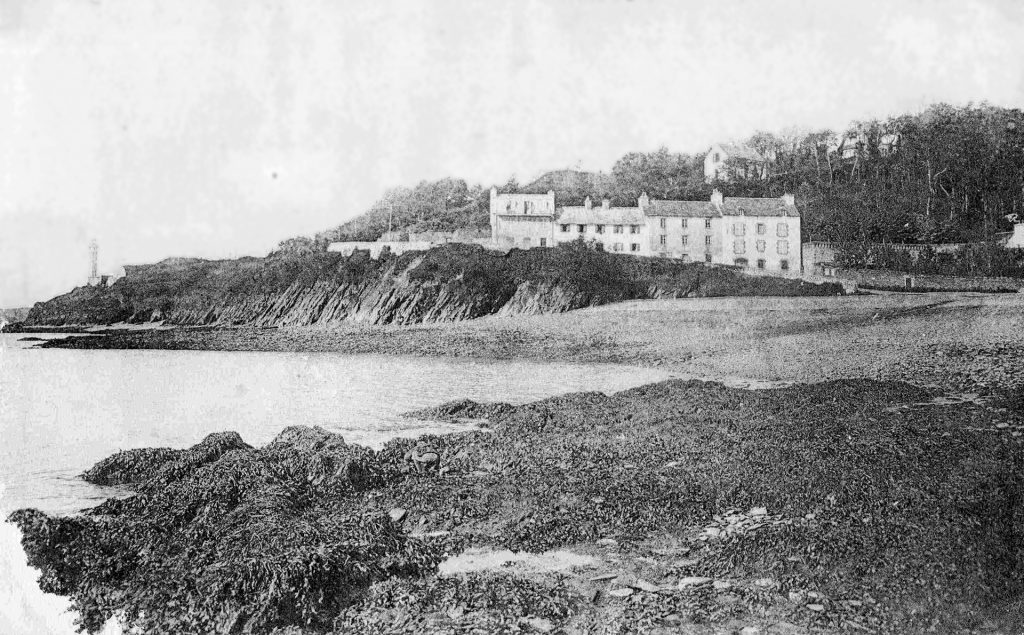
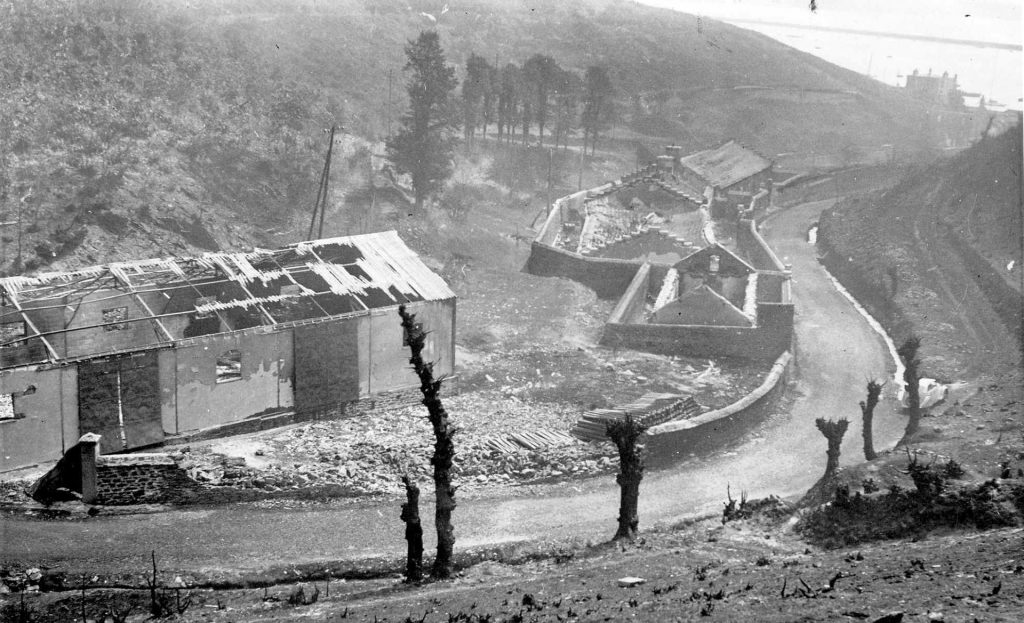
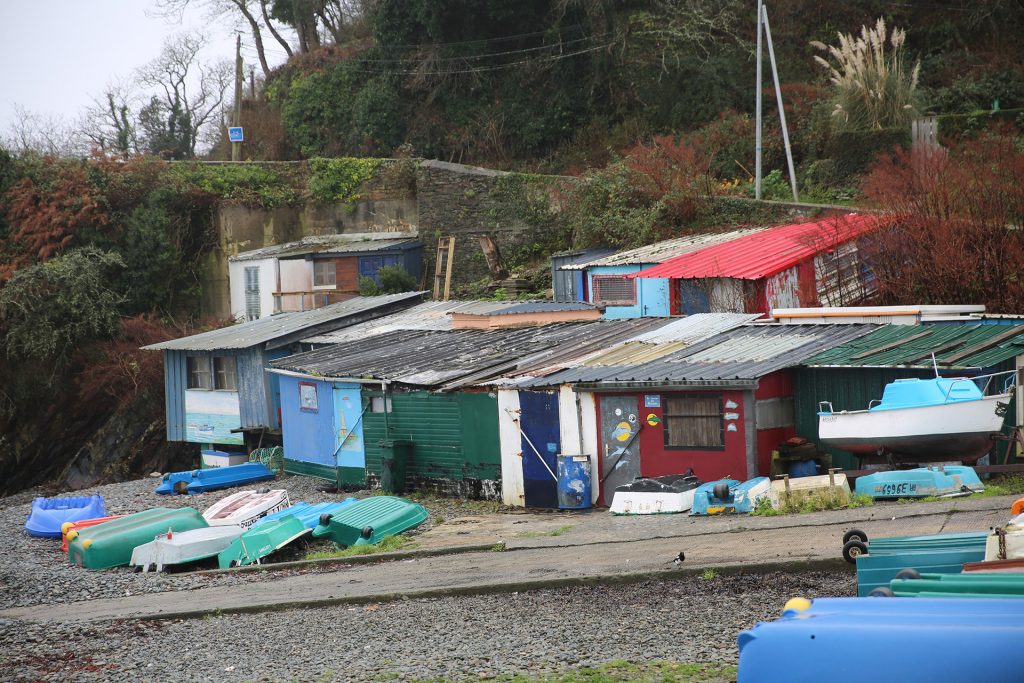
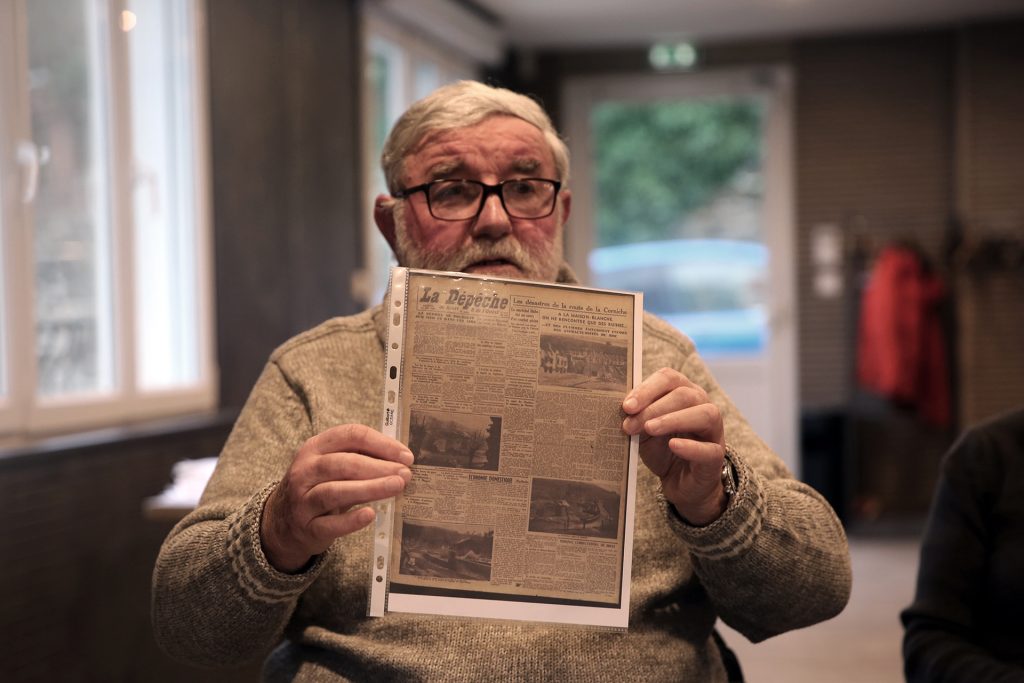
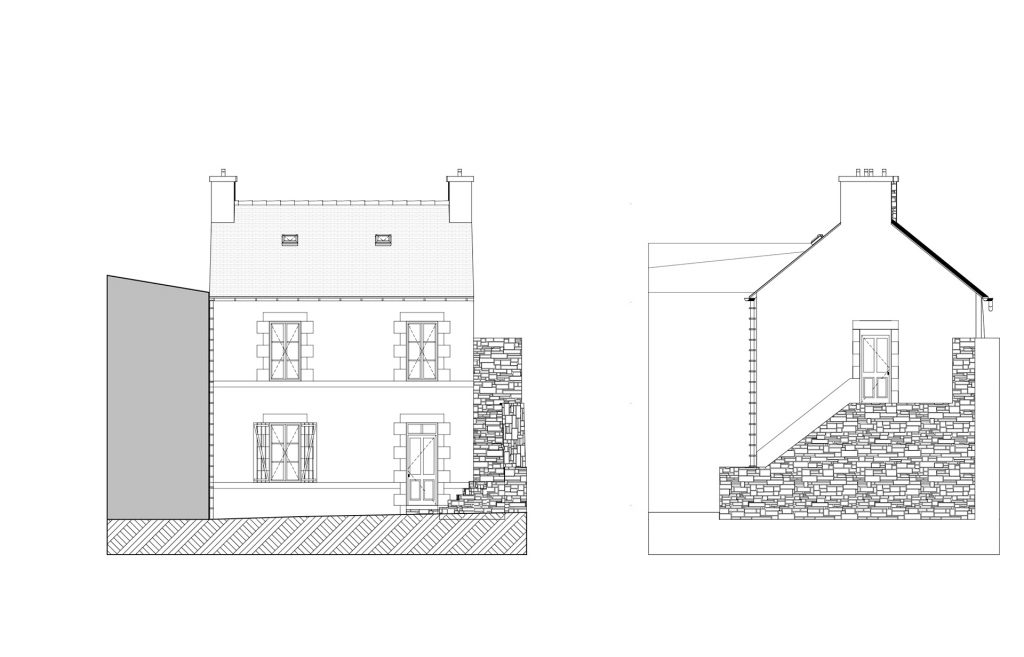
Maison Blanche was historically a small coastal hamlet of around fifteen houses, long appreciated as a place for walking and swimming. It lies in a protected natural coastal area, below the Quatre Pompes cliff, at the crossroads with the Corniche road—a busy route shaped by industrial, maritime and military activity. The hamlet was destroyed by a fire in oil tanks in 1940. Only one building remained, which served as a tobacco and liquor shop until the 1960s, before being replaced by the current bar–tobacconist–restaurant. Along the shore, small, brightly coloured fishermen’s huts were built to store equipment or provide shelter after outings at sea.
Since 2019, Maison Blanche’s shopkeepers have been eager to breathe new life into the area by placing hospitality and social ties at the heart of their approach. In autumn 2023, they approached EESAB (Brest campus) to carry out an initial study of the site as part of an educational programme. Drawing on local resources, the students and their teacher conducted a study that helped bring together a wider group of people. The commissioners share a strong interest in the neighbourhood’s history, memory, development and public profile.