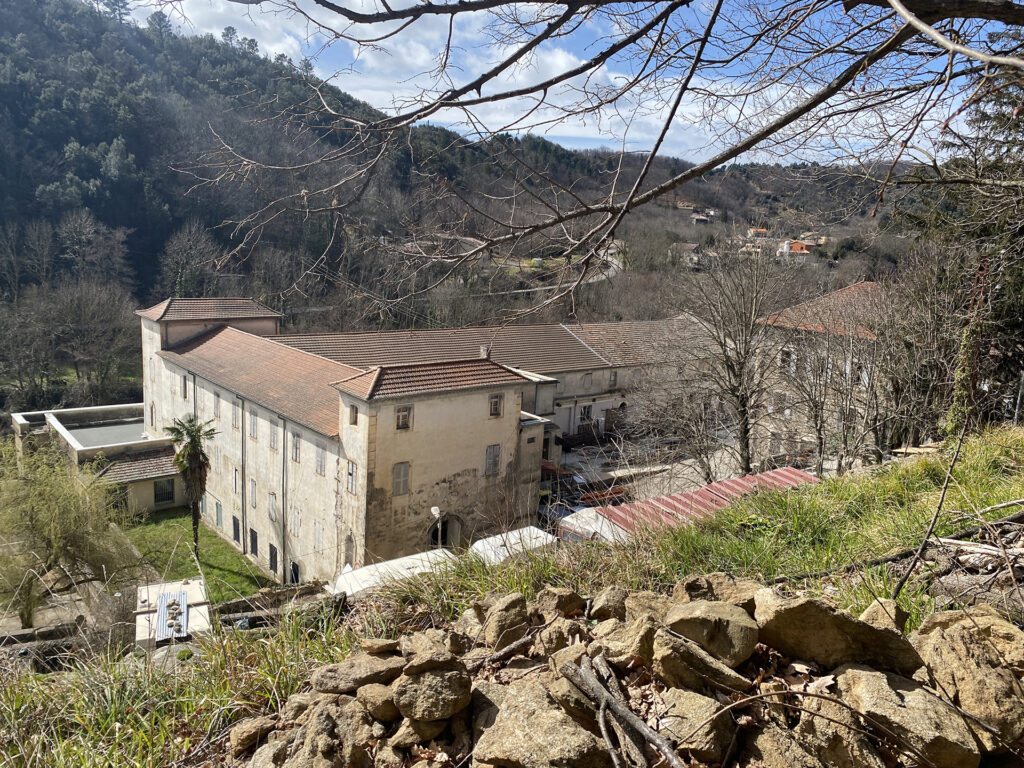
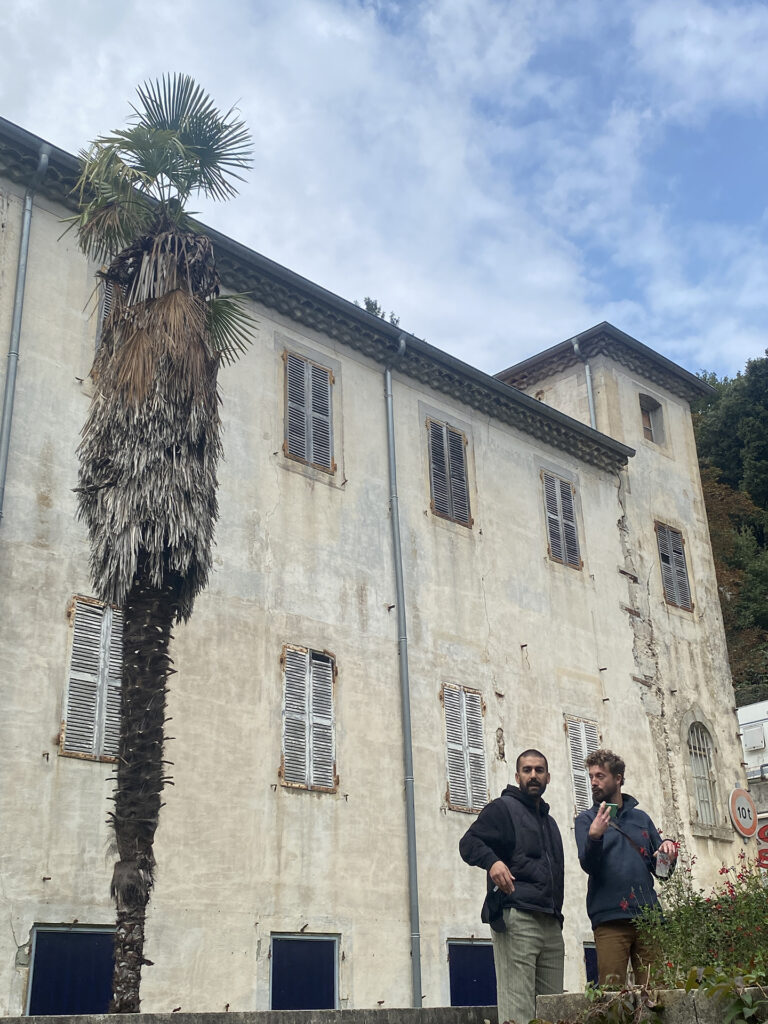
In a former silk mill, where industrial textile production has given way to a vibrant community hub, local residents are exploring new uses for the impressive agricultural terraces that rise above it.
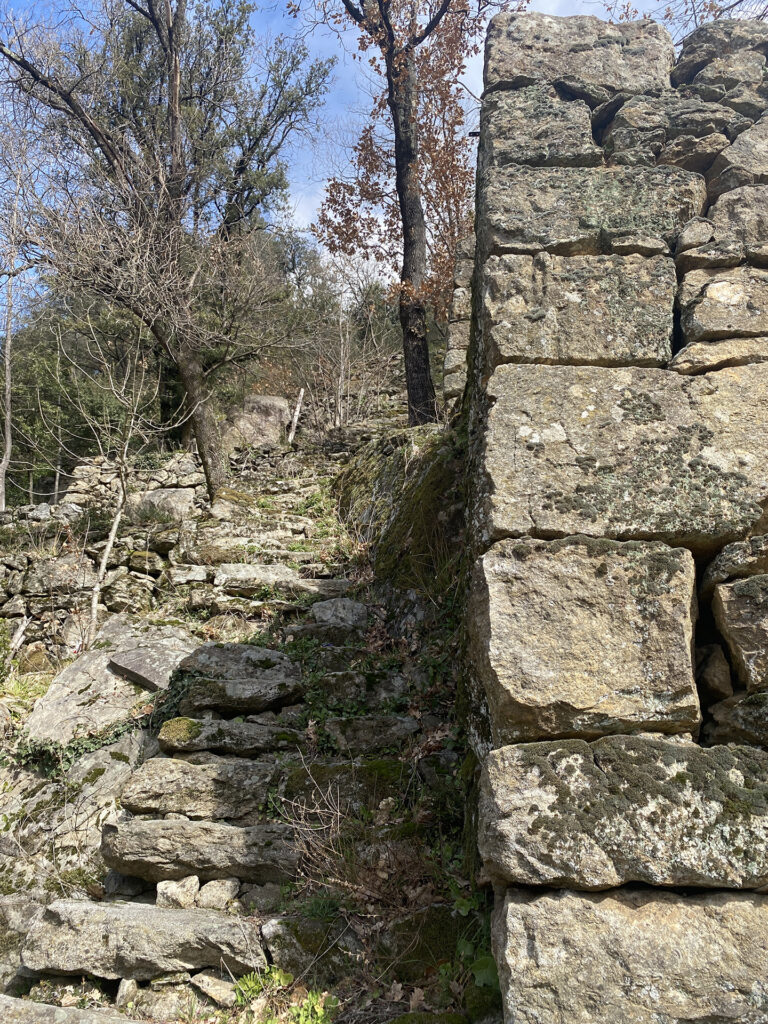
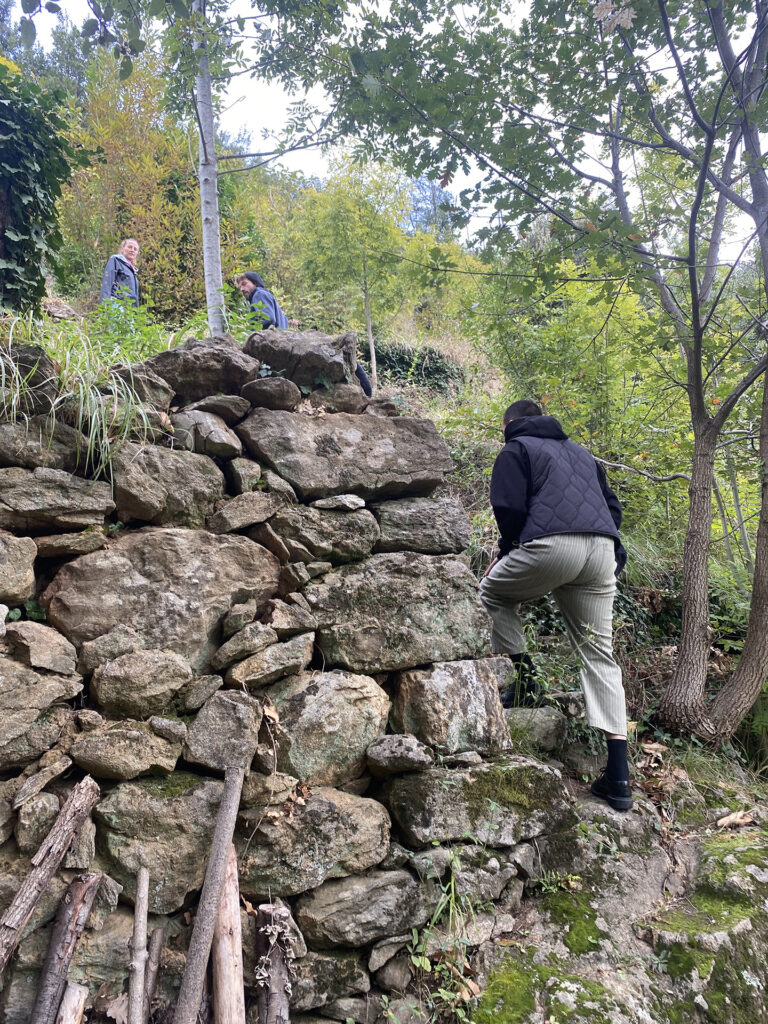
Located in the Upper Cévennes of Ardèche, the village of Chirols (population 200) is renowned for its “moulinage” – a former silk-spinning mill, once one of the largest in France. Overlooking the village are seventeen tiers of dry-stone terraces (locally known as “faïsses”), which had long fallen into neglect. In 2014, the community launched a project to recognise these terraces as both heritage and common good. The initiative gained new momentum in 2019 with the purchase of the mill by a group of local citizens committed to transforming the site into a hub for shared housing, crafts and artistic activities. Among them, the landscape designers Atelier Bivouac has embraced the site’s unique heritage and the future potential of its terraced landscape.
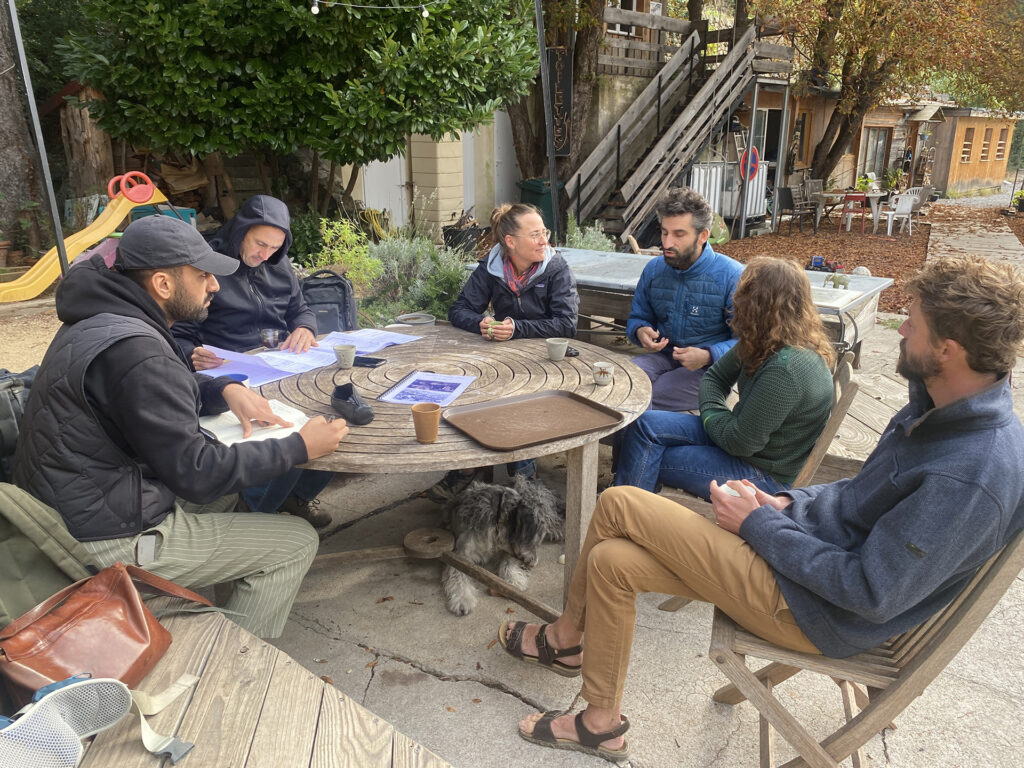
A group has come together with the desire to cast an artistic gaze upon the monumental yet fragile landscape of the faïsses, whose structure and preservation depend on the revival of small, everyday gardening gestures – relearning how to converse with erosion and with living things. Their aim is for the reappropriation of the Chirols terraces to highlight the universal and systemic practice of inhabiting slopes, drawing inspiration from diverse cultures around the world. For this reason, from among the artistic proposals presented to them by the mediator, the commissioners chose to invite the Franco-Afghan artist Feda Wardak.