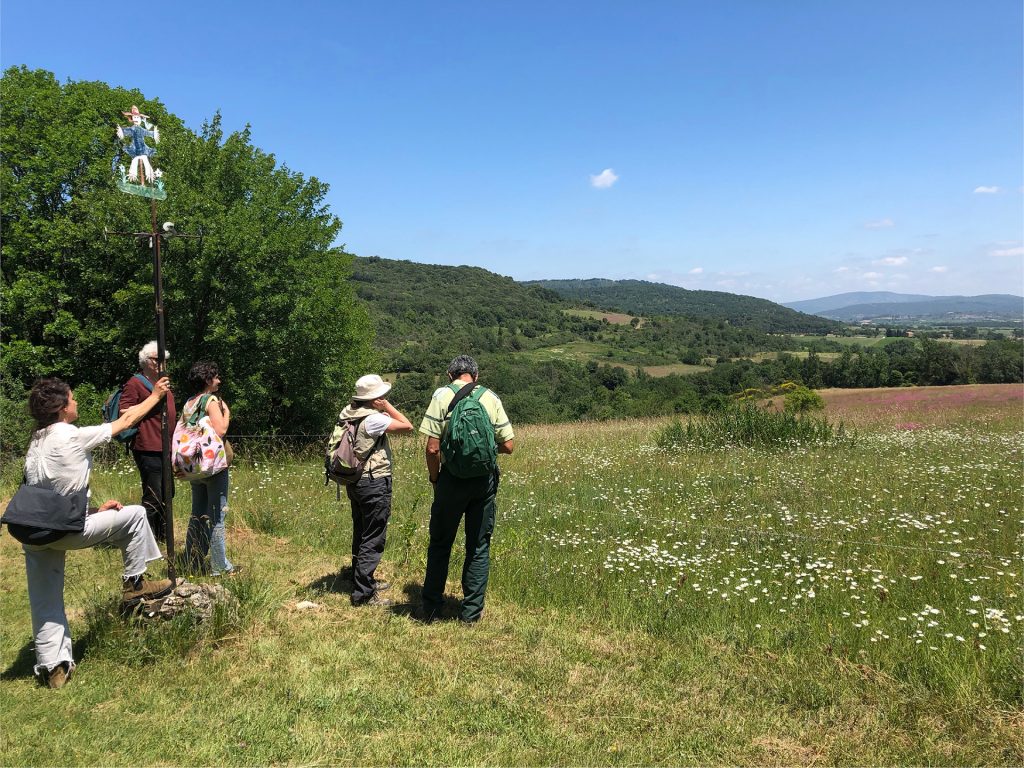
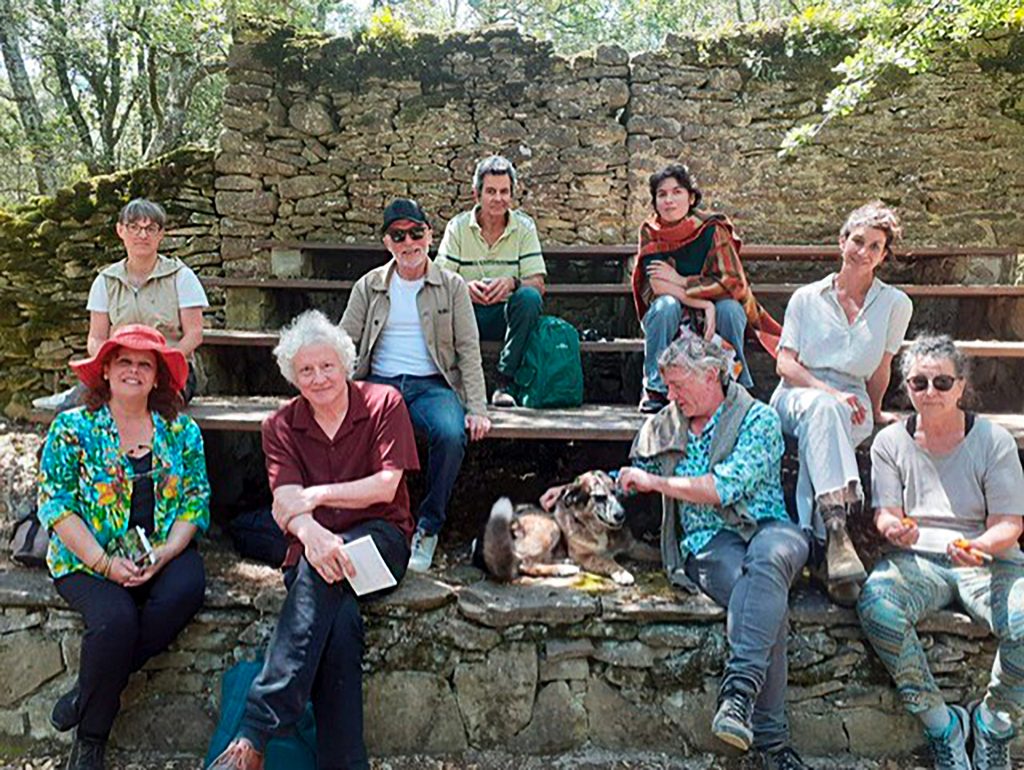
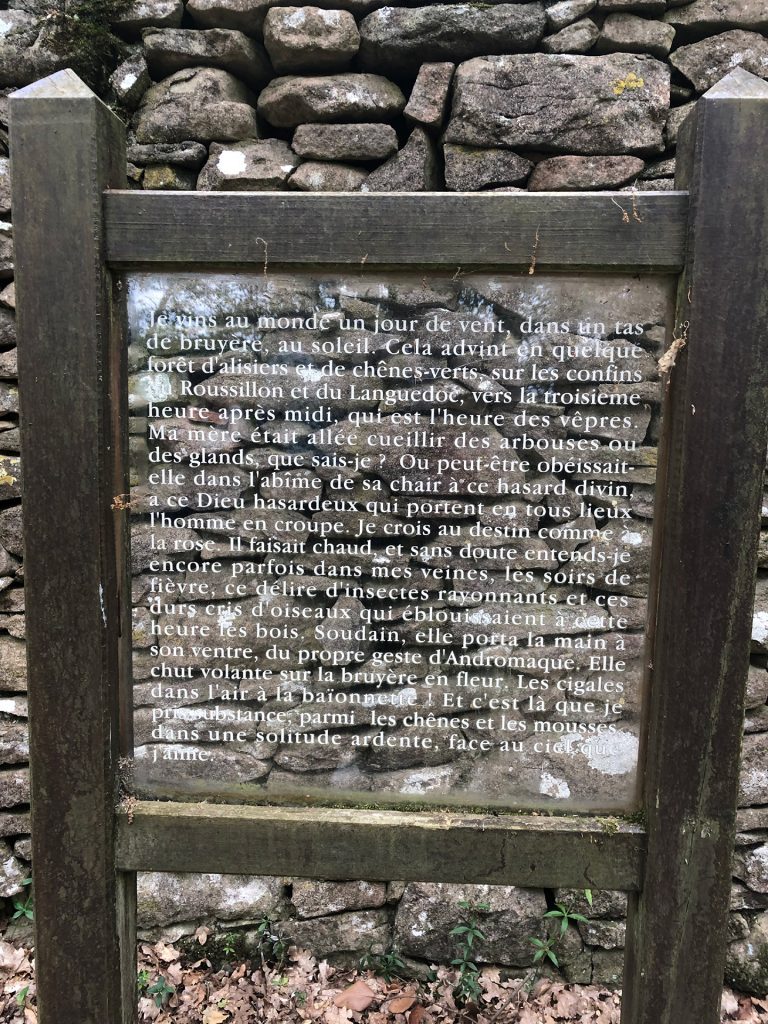
A group of residents from the village of Villar-en-Val in the Aude (with a population of 30), together with neighbours from the surrounding area, wish to restore due recognition to their fellow villager, the writer Joseph Delteil, and to bring his work and thought back to life through an artistic initiative.
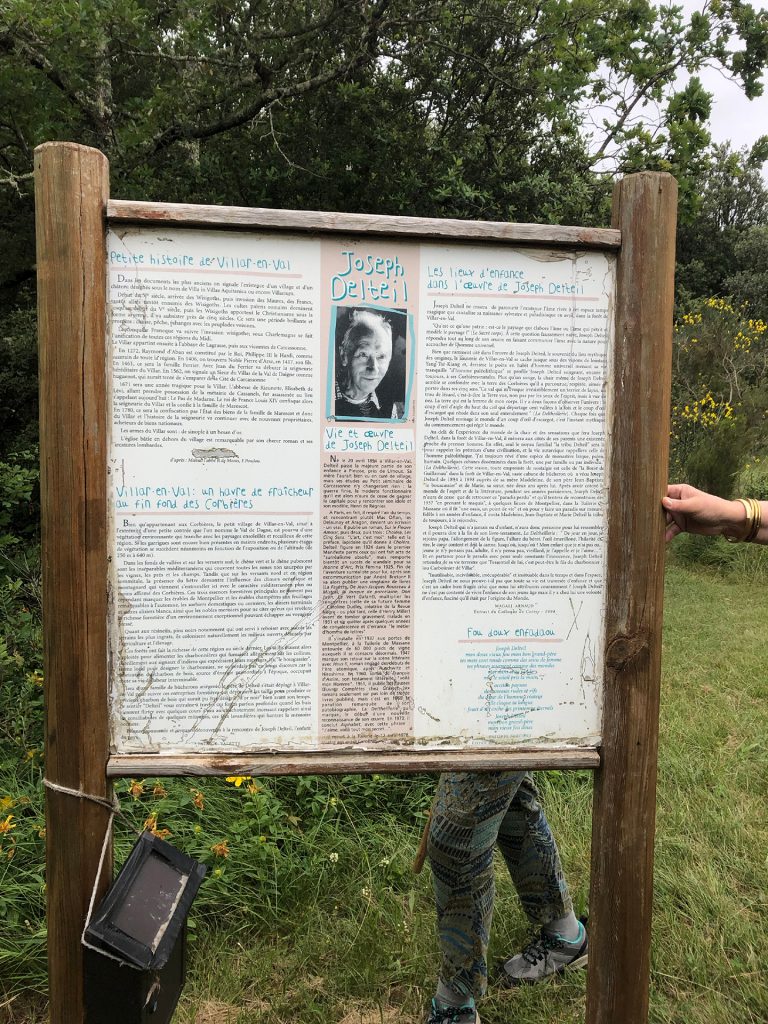
Joseph Delteil, born in 1894 in a woodcutter–charcoal burner’s hut deep in the woods of Villar-en-Val, came from a modest background. He educated himself through brilliant studies and a passion for literature and poetry. A member of the Surrealist movement, he rose to prominence in Paris during the 1930s before deciding, partly due to health problems, to change the course of his life. He returned to the roots of his existence, to what he called the “real life” of the “Palaeolithic man”, and resettled in his native Occitania as a “winegrower-writer”. A sensuous writer, he was also an ecological activist ahead of his time. He stands as an alternative and singular figure of his era, both through the diversity of his writing and his advocacy of a return to nature.
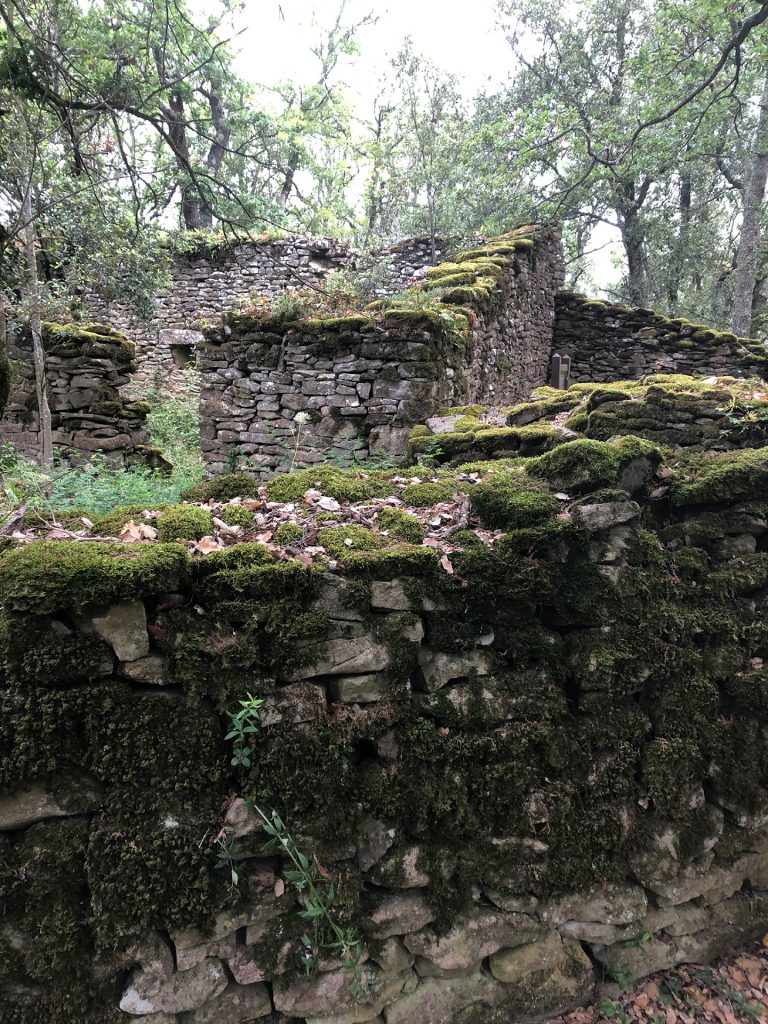
The commissioners would like an artist to “reconstruct”, in their own manner, the hut of Joseph Delteil on the ruins of the one in which he was born. Its purpose will be to offer a place of refuge and contemplation, immersed in heart of the forest, thereby echoing the writer’s aspiration for a space of freedom in close communion with nature. This “memorial beacon” is intended both to perpetuate Delteil’s legacy, advocating a return to a more sensuous and attentive life, while also serving as a point of departure and anchor for a new project of cultural and local development — the contours of which remain to be more clearly defined.
The commission has been entrusted to Julien Choppin and Fred Sancère, who are working on a study that incorporates the environmental and ecological issues of the site. Developed in collaboration with the Vill’Art association, it also includes the prospect of artist and writer residencies, in dialogue with the Centre des Arts de Lire of Lagrasse Abbey.