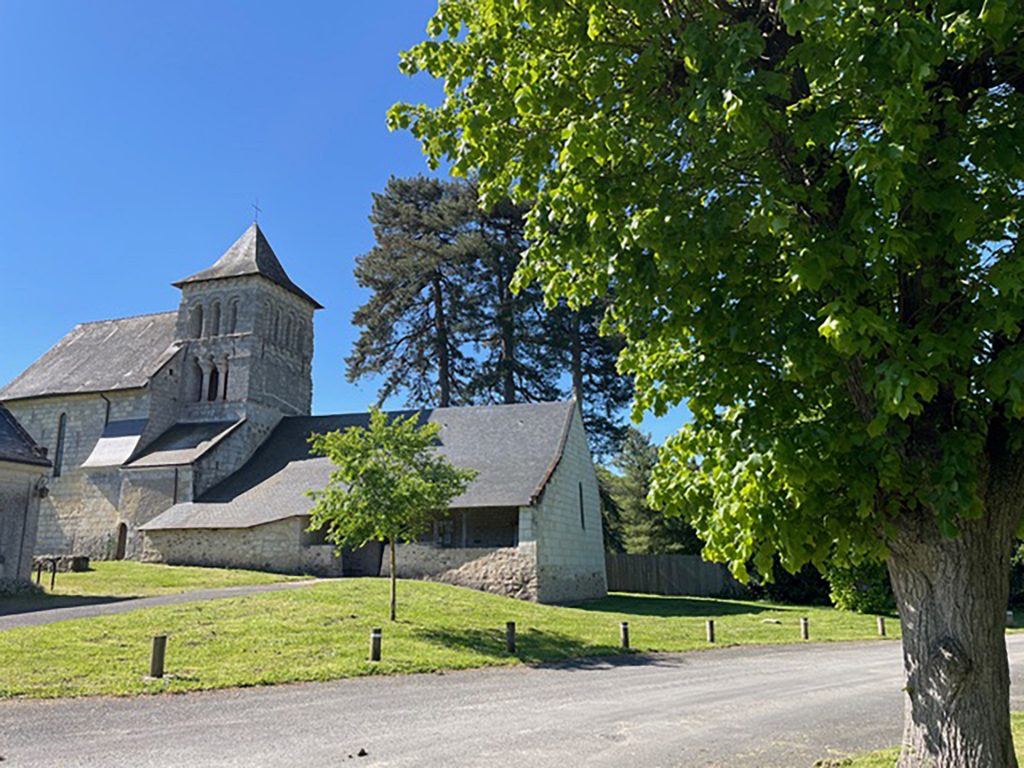
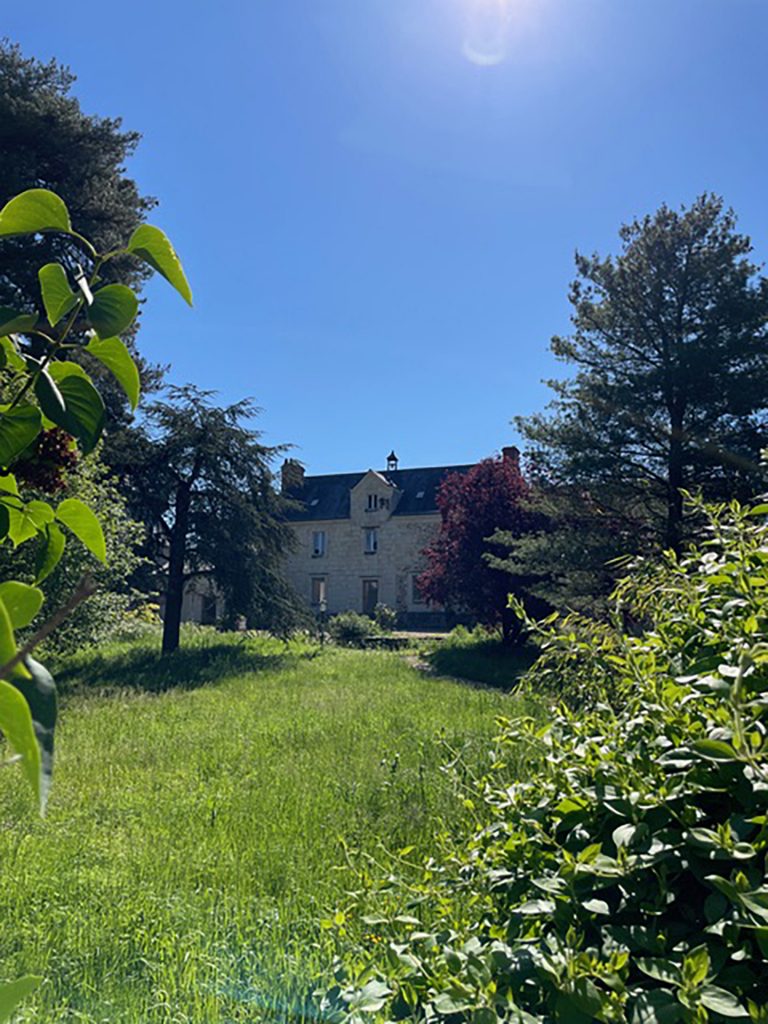
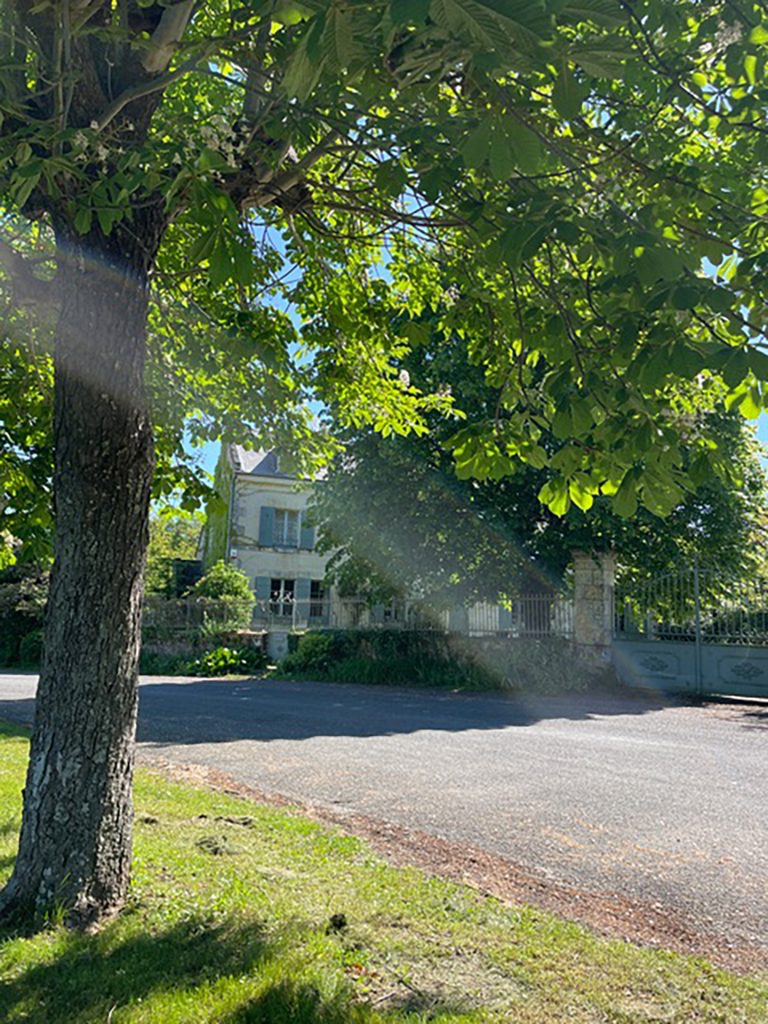
The residents of the hamlet of the Countess of Caen Priory wish to restore and reconnect with the matrimonial history that shaped their past through the commissioning of an artwork
A leading figure of the Saint-Simonian movement, the Countess of Caen — Anne-Sophie Marchoux — was a painter who created the decorative scheme of the Galerie Vivienne in Paris and founded the Académie des Beaux-Arts. The hamlet lies within the former model farm of the Priory, bequeathed by the Countess to the Departmental Council of Maine-et-Loire. The estate, comprising two farmhouses, fields and vineyards, was originally intended to host a practical school of agriculture, viticulture and the arts. Abandoned during the war, the buildings were eventually sold by the Department to private owners in 2015.
Prompted by the residents and elected representatives of Saint-Georges-des-Sept-Voies, the inhabitants of the hamlet wish to restore this broken legacy — one that has undermined not only the Countess’s intentions, but also the life of the community and the memory of the (former) pupils of the model farm. Their ambition is to revive and share the story of the Countess of Caen, to embody it and pass it on as widely as possible. Through thecommissioning of an artwork, they hope to give renewed resonance to this history and to carry forward its utopian and social vision.