What are the miracles of the 21st century? In La Bastide-Clairence, a group of local residents came together to revitalise the village chapel, home to a miraculous spring that is currently closed to the public.
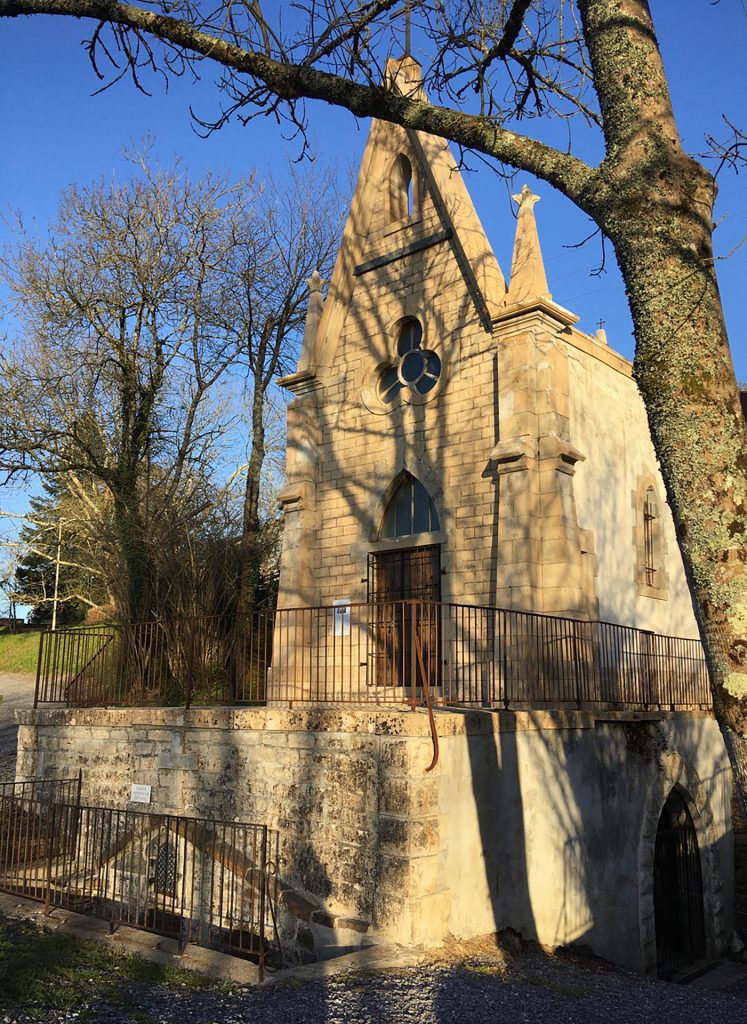
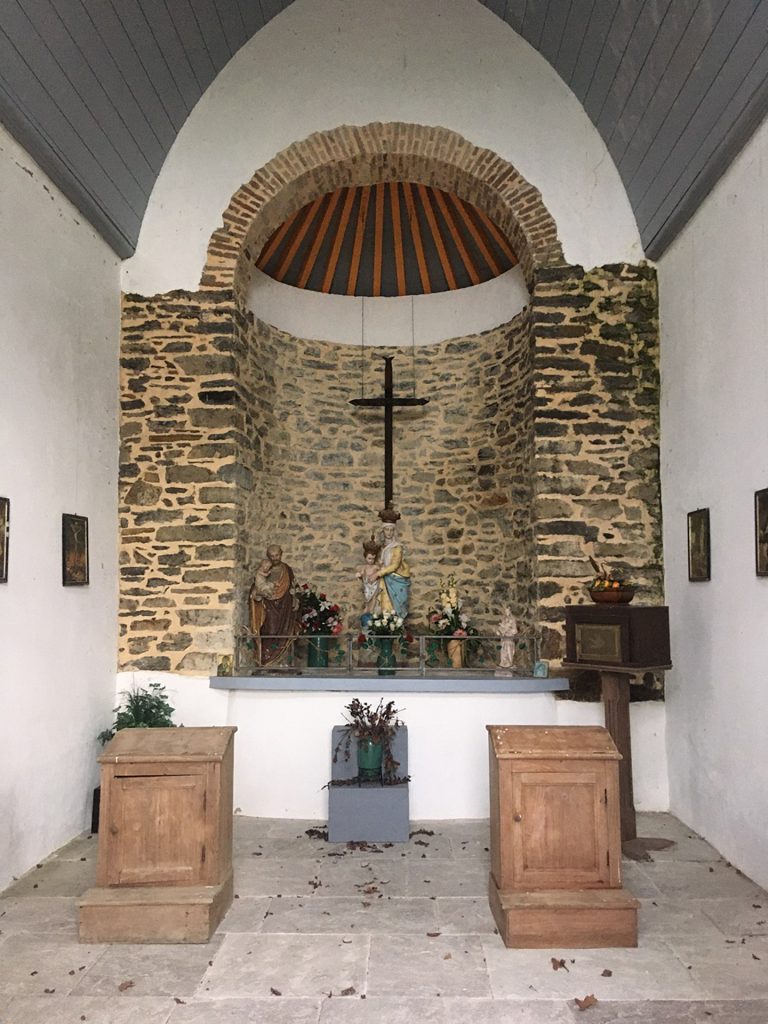
The Chapelle Notre-Dame de Clairence, built in neo-Gothic style in 1886, overlooks the village of La Bastide-Clairence. Beneath the chapel lies a miraculous spring dating back to the 13th century, whose waters were traditionally believed to heal skin and eye ailments. Although the chapel is not consecrated, it nevertheless hosted pilgrimages associated with the spring and the Virgin Mary. These semi-pagan, semi-religious pilgrimages were prohibited around 1960 by the parish priest of the time. Today, access to the spring is blocked.
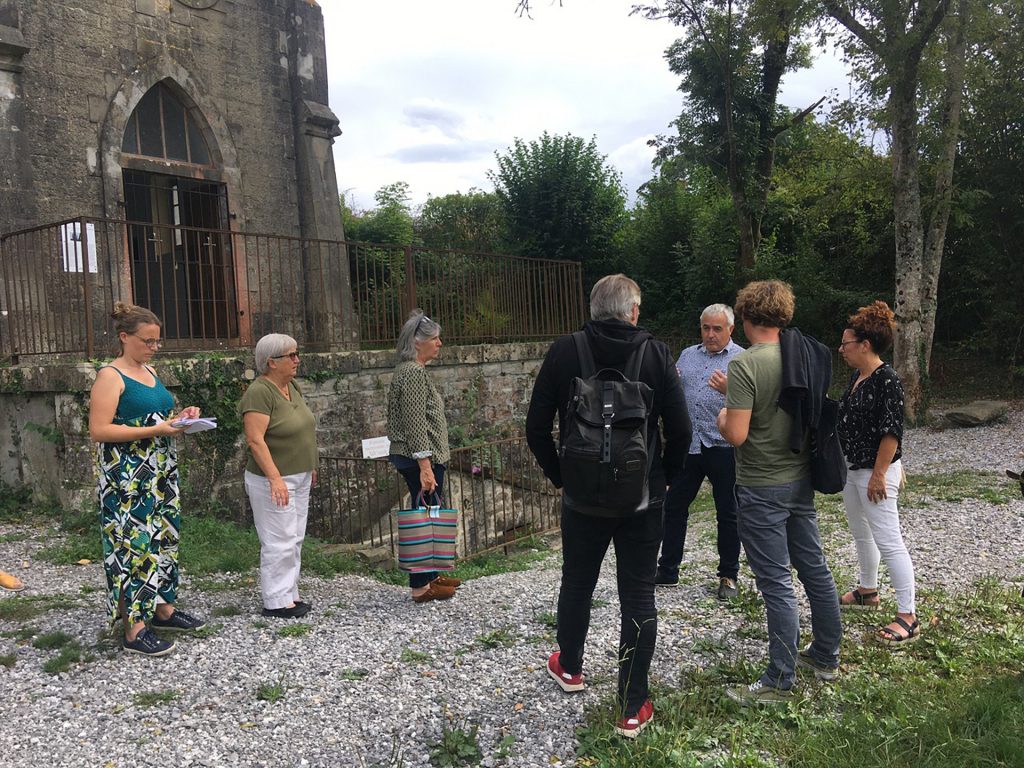
The team of Clarenza, a local association based in the village, turned to the Nouveaux commanditaires initiative with the initial aim of enhancing the chapel site and imagining a listening space for hybrid musical chants, set against the Basque landscape. A group of commissioners was formed and wished to commission a work centred on the theme of water as a common good for humanity and accessible to all.
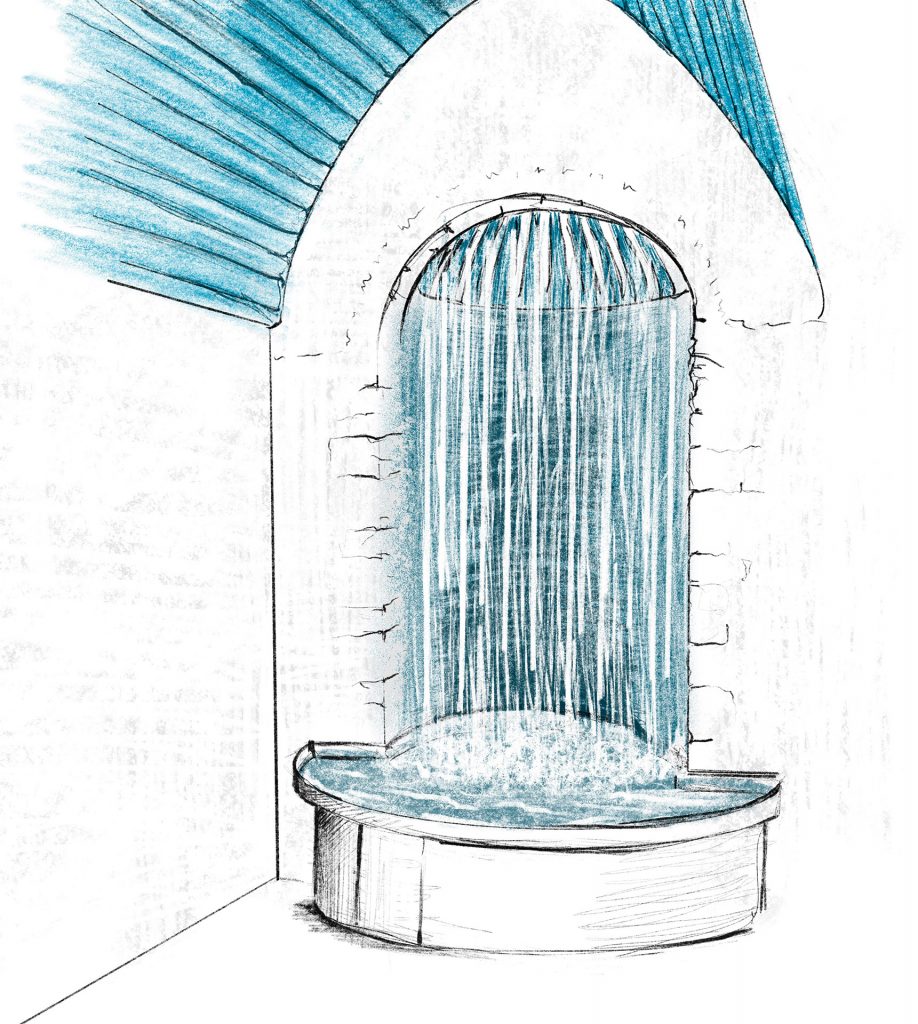
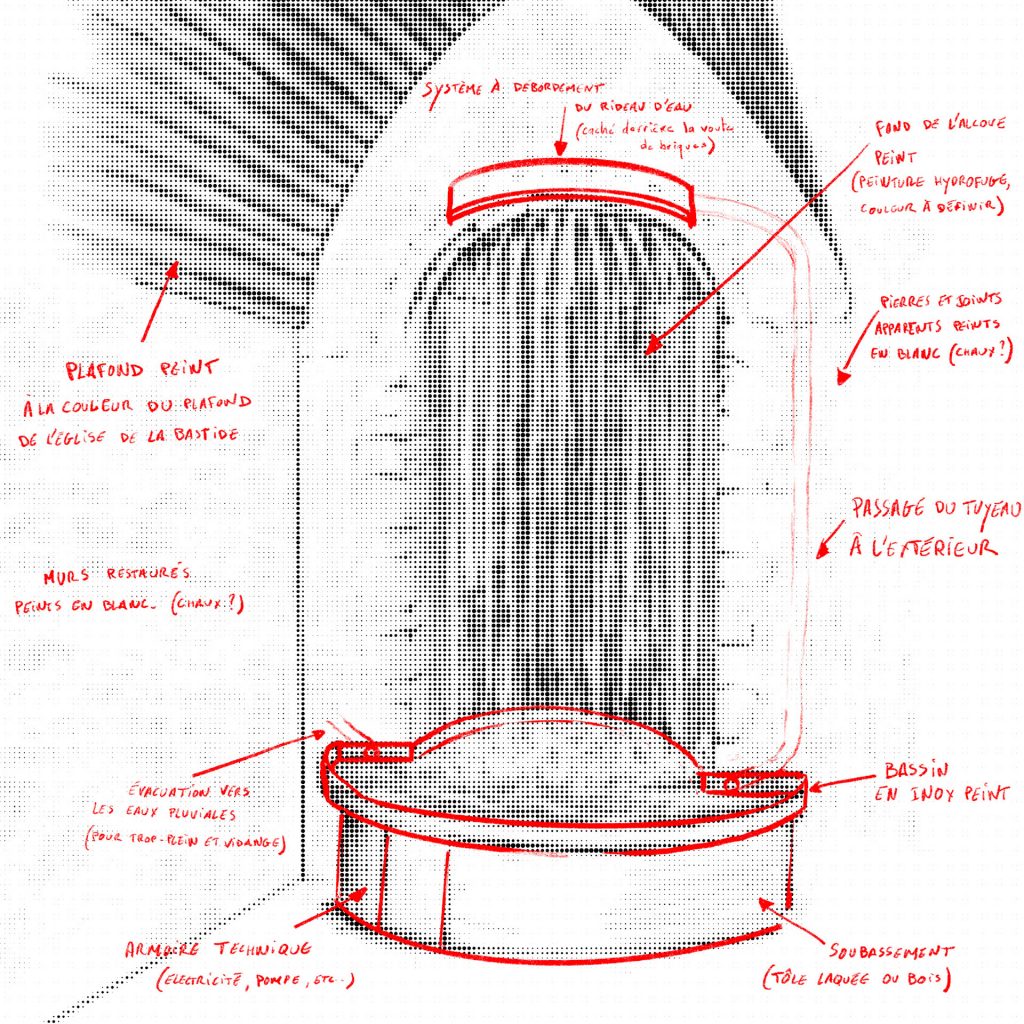
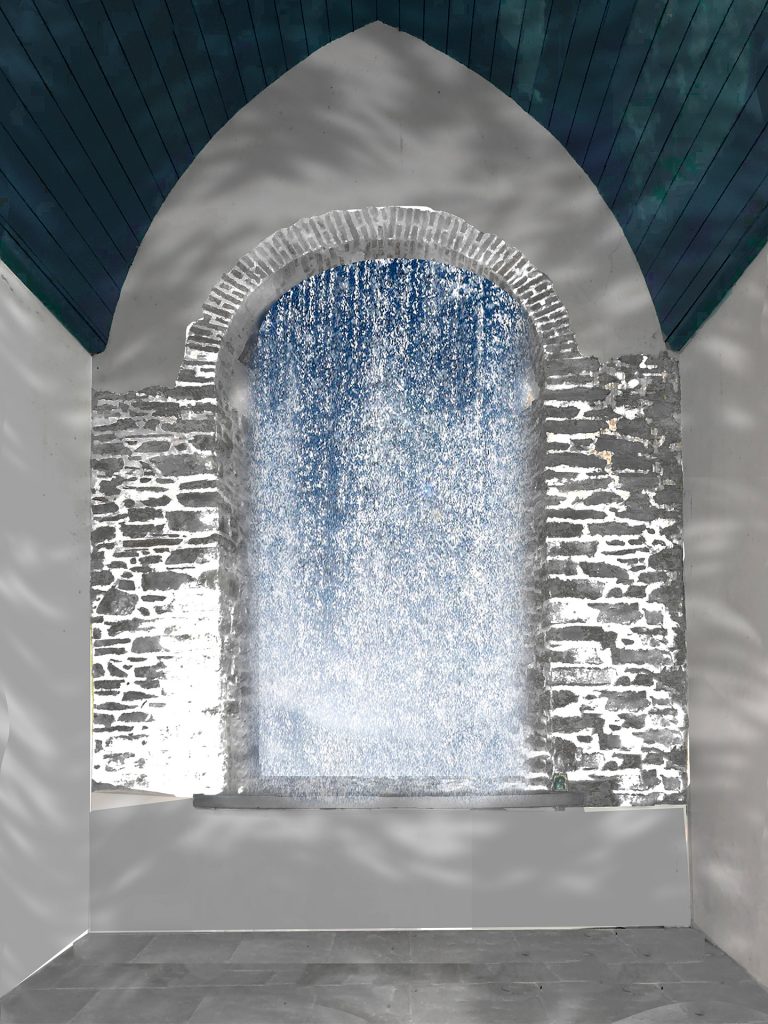
The artist Stéphane Thidet imagined an intervention with respect for the chapel’s architecture. He aimed to reveal the living, shimmering, sonic, and luminous presence of water. The work, À la source (At the Source), is to offer a sensorial experience in this setting, conducive to rest, contemplation, spirituality, attentive listening, and daydreaming—a moment of encounter between humanity and nature to reflect on the future.
This commission resulted in the drafting of a detailed brief and an artistic proposal by Stéphane Thidet.